
Al descargar el documento usted acepta los términos establecidos en el copyright del documento y la política de uso de la plataforma.
Biblioteca
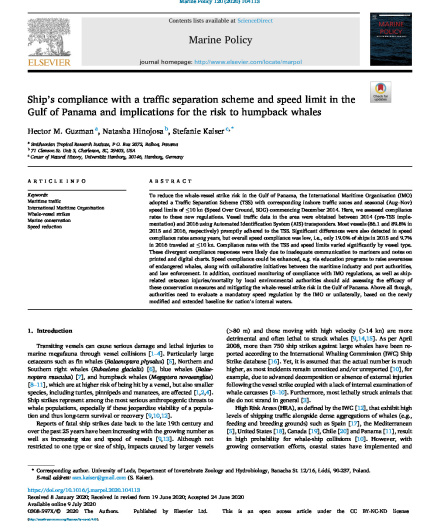
Ship’s compliance with a traffic separation scheme and speed limit in the Gulf of Panama and implications for the risk to humpback whales

Gestión de áreas marinas
Vigilancia y control
Año de la publicación:
2020
Autor:
Hector M. Guzman
Natasha Hinojosa
Stefanie Kaiser
Lugar de incidencia:
Panamá
Región oceánica:
Pacífico - Centro Oriental
To reduce the whale-vessel strike risk in the Gulf of Panama, the International Maritime Organization (IMO) adopted a Traffic Separation Scheme (TSS) with corresponding inshore traffic zones and seasonal (Aug–Nov) speed limits of ≤10 kn (Speed Over Ground, SOG) commencing December 2014. Here, we assessed compliance rates to these new regulations. Vessel traffic data in the area were obtained between 2014 (pre-TSS implementation) and 2016 using Automated Identification System (AIS) transponders. Most vessels (86.1 and 89.8% in 2015 and 2016, respectively) promptly adhered to the TSS. Significant differences were also detected in speed compliance rates among years, but overall speed compliance was low, i.e., only 19.0% of ships in 2015 and 9.7% in 2016 traveled at ≤10 kn. Compliance rates with the TSS and speed limits varied significantly by vessel type. These divergent compliance responses were likely due to inadequate communication to mariners and notes on printed and digital charts. Speed compliance could be enhanced, e.g. via education programs to raise awareness of endangered whales, along with collaborative initiatives between the maritime industry and port authorities, and law enforcement. In addition, continued monitoring of compliance with IMO regulations, as well as ship...
Etiquetas:
© 2020 The Authors. Published by Elsevier Ltd. This is an open access article under the CC BY-NC-ND license (http://creativecommons.org/licenses/by-nc-nd/4.0/).
La estructura de clasificación de la lista de especies Blue Five para la biblioteca digital ha sido
elaborada siguiendo criterios tanto científicos como de accesibilidad para facilitar la búsqueda de
información. En primer lugar, se organizaron las especies basándose en la taxonomía aceptada por la
comunidad científica para garantizar precisión y coherencia. Simultáneamente, se han implementado
categorías y subcategorías, considerando características morfológicas, su distribución y el uso de los
nombres comunes, con el fin de optimizar la navegación y búsqueda de datos por parte de los usuarios.
Esta metodología equilibrada asegura que la lista no solo sea científicamente rigurosa, sino también
fácil de consultar para quienes necesiten acceder a información específica de manera eficiente.
ISBN/ISSN/DOI:
https://doi.org/10.1016/j.marpol.2020.104113
Editor:
Elsevier/Marine Policy
Idioma:
Inglés
Fuente:
ScienceDirect
Especies mencionadas:
- Categoría Blue Five: Ballenas Tortugas marinas
- Familia: Rocuales
- Especies: Ballena azul (Balaenoptera musculus) Ballena de aleta (Balaenoptera physalus) Ballena jorobada (Megaptera novaeangliae)
Documentos relacionados:
Gestión de áreas marinas
Opportunities and challenges for improving fisheries management through greater transparency...
When fisheries managers cannot see who is fishing or where fishing occurs, their scope for management interventions is limited. This...
Gestión de áreas marinas
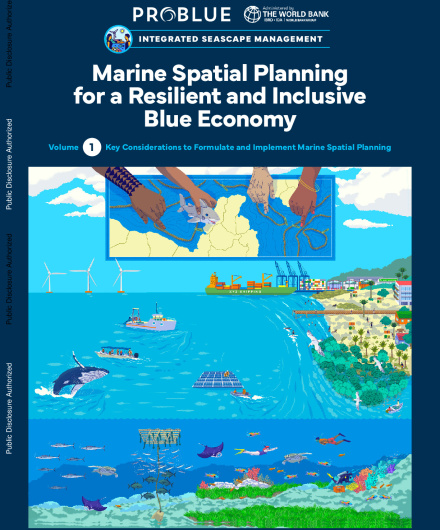
Marine spatial planning for a resilient and inclusive blue economy...
The World Bank defines the Blue Economy as the sustainable and integrated development of economic sectors in healthy oceans. It...
Gestión de áreas marinas
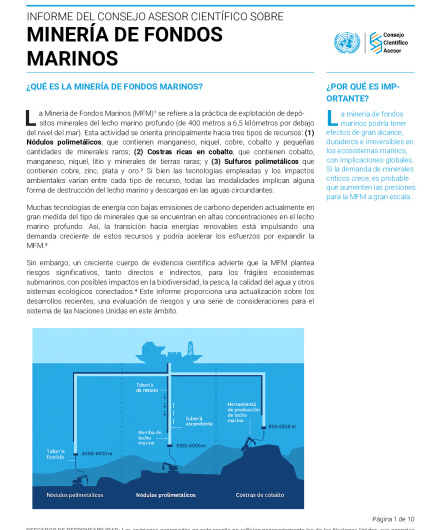
Informe del consejo asesor científico sobre minería de fondos marinos
Un creciente cuerpo de evidencia científica advierte que la MFM plantea riesgos significativos, tanto directos e indirectos, para los frágiles...